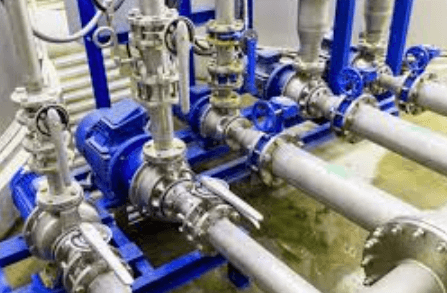
Selecting the correct pump begins with clear flow and head calculations to avoid oversizing and optimize efficiency. Prepare an installation area with ventilation, drainage, and access for service. Plan power, piping, and controls with proper grounding and dry-run protection, and ensure automatic start/stop logic is reliable. Systematically test and document results, then establish a maintenance routine. The next steps will expose common pitfalls and practical methods to verify performance under real operating conditions.
What Pump Do I Actually Need for My Setup
Selecting the correct pump begins with the system’s flow requirements and the intended application. The assessment focuses on pump sizing, system head, and discharge conditions to determine capacity without oversizing. Energy efficiency is evaluated through motor type, efficiency curve, and operating point. Precision ensures predictable performance, reliable operation, and minimized energy use, aligning equipment selection with freedom to optimize overall system efficiency.
How to Prep the Installation Site Safely
Preparing the installation site begins with verifying that the chosen location supports safe, reliable operation of the pump system. The assessment analyzes load tolerance, substrate integrity, drainage, and ventilation to prevent failures. Emphasize site safety through defined access, clear working zones, and hazard mitigation. Document tool selection, required PPE, and measurement protocols to ensure repeatable, compliant setup conditions without unnecessary complexity.
See also: The Rise of Digital Classrooms
How to Connect Power, Plumbing, and Controls
To connect power, plumbing, and controls, the procedure requires careful coordination of electrical supply, piping alignment, and control circuitry to ensure safe, reliable operation.
The assessment considers pump sizing, ensuring compatible voltages, currents, and head.
Implement electrical safety measures, secure wiring, and proper grounding.
Establish setup and controls, integrating switches, relays, and sensors for automatic start/stop, prevention of dry-run.
How to Test, Troubleshoot, and Maintain the System
Initial testing, troubleshooting, and maintenance procedures must be executed with systematic rigor to verify system integrity, identify potential faults, and sustain reliable operation.
The article emphasizes objective diagnostics, tool calibration, and documented results, separating design considerations from operational fixes.
Regular maintenance intervals, component wear assessment, and performance baselines support proactive actions.
Budget planning and cost-effective substitutions are integrated, ensuring durable reliability and scalable, verifiable improvements across the water-pump system.
Conclusion
In the end, the installer notices a coincidence: the chosen pump’s rated head matches the last measurement taken before sealing the conduit, as if the system anticipated the exact lift needed. This alignment reinforces the methodical process—assessing flow, securing proper ventilation, and verifying electrical isolation—producing a robust, scalable network. The conclusion rests not on luck, but on disciplined planning, precise testing, and documented adjustments that confirm the pump will perform reliably under anticipated operating conditions.
