Picture sitting down for a meal after putting off a missing tooth for months, only to realise you are chewing on one side because the gap still feels uncomfortable. That is often when replacing the tooth starts to feel less like a cosmetic choice and more like something worth addressing. Dental implants can provide a stable replacement that looks and functions much like a natural tooth. If you are considering dental implant Newcastle treatment, knowing what to expect before and after the procedure can help you prepare for each stage and make the experience feel more manageable.
This guide takes you through the entire journey of dental implant treatment, from the first consultation to long-term aftercare.
What Are Dental Implants?
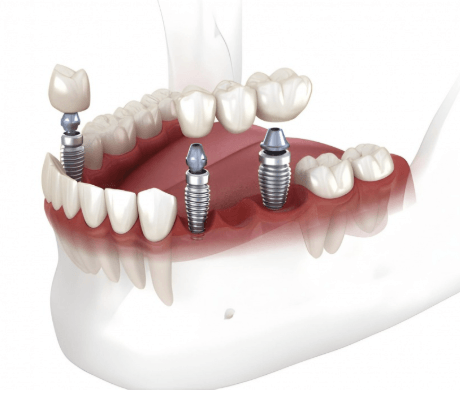
Before exploring the treatment process, it helps to understand what dental implants actually are. A dental implant is an artificial tooth root, typically made from biocompatible titanium, that is surgically placed into the jawbone. Once in position, it provides a stable and secure foundation for a replacement tooth, such as a crown, bridge, or denture.
A dental implant consists of three main components:
- The Implant Post: A titanium screw that acts as an artificial root, placed into the jawbone.
- The Abutment: A connector piece that attaches the post to the visible restoration.
- The Prosthesis: The custom-made crown, bridge, or denture that looks and functions like a natural tooth.
The success of a dental implant relies heavily on a process called osseointegration, where the jawbone naturally fuses with the titanium post. This biological bonding creates a strong, stable foundation that can last for many years with proper care.
Who Is a Suitable Candidate for a Dental Implant Newcastle Treatment?
Not everyone is automatically suitable for dental implants, but many people with missing teeth can benefit from this treatment. Ideal candidates typically have healthy gums, good oral hygiene, and sufficient bone density in the jaw to support the implant.
Dental implants may be a good option if you:
- Have one or more missing teeth
- Are unhappy with gaps in your smile
- Find dentures uncomfortable or unstable
- Want a long-term solution for tooth loss
- Have teeth that are severely decayed, damaged, or loose
Certain medical conditions, such as uncontrolled diabetes or active gum disease, may complicate the procedure. Heavy smoking can also affect healing and implant success. However, many patients who were previously told they were not suitable candidates can now receive treatment thanks to advanced techniques like bone grafting and sinus lifts.
A professional assessment is essential to determine whether dental implants are the right choice for your individual circumstances.
The Pre-Treatment Process: What Happens Before Dental Implant Surgery
The journey to a restored smile begins long before the actual surgery. A thorough pre-treatment process ensures that you are properly prepared and that the treatment plan is tailored to your specific needs.
Step 1: The Initial Consultation
The first step in any dental implant Newcastle treatment is the initial consultation. This is an opportunity to discuss your concerns, explore your options, and ask any questions you may have. Many clinics offer a free consultation for patients considering dental implants.
During this appointment, the clinical team will take the time to understand what you hope to achieve and explain the various treatment options available. They will also share examples of similar cases they have helped, giving you a realistic idea of what to expect. This consultation typically lasts around 45 minutes and is designed to be relaxed and informative.
Step 2: Comprehensive Clinical Assessment
If you decide to proceed, the next stage is a detailed clinical assessment. This is a crucial step that helps the dental team determine whether you are a suitable candidate for implants.
The assessment usually includes:
- A thorough oral health examination
- A review of your medical and dental history
- Advanced 3D imaging and digital X-rays to assess bone density
These diagnostic tools allow the clinician to evaluate the quality and quantity of bone in your jaw, check for any infections, and identify other potential risks. This information is essential for creating a safe and effective treatment plan.
Step 3: Bespoke Treatment Planning
Once all the diagnostic information has been gathered, the clinical team develops a personalised treatment plan. This plan outlines every aspect of your dental implant journey, including the surgical procedure, the healing timeline, and the final restoration.
The treatment plan is designed specifically for you and takes into account your general health, dental condition, and personal goals. You will have the opportunity to review the plan thoroughly and ask any questions before proceeding.
The Day of Surgery: What to Expect During Dental Implant Placement
On the day of the procedure, the surgical team will ensure you are comfortable and fully informed about what will happen. The surgery itself typically takes between two and four hours, depending on the complexity of the case.
For patients who feel nervous about dental treatment, intravenous (IV) sedation is available. This safe and effective option brings you to a state of semi-consciousness, allowing you to relax while remaining responsive to verbal commands.
The surgical procedure may involve:
- Removing any remaining damaged or decayed teeth
- Placing the titanium implant posts into the jawbone
- Performing bone grafting if additional bone support is needed
After the implants are placed, a temporary restoration may be fitted on the same day, allowing you to leave with a functional and aesthetic smile.
The Healing Phase: Osseointegration and Recovery
One of the most important stages of dental implant treatment is the healing period, during which osseointegration takes place. This is the process where the jawbone naturally grows around and bonds with the titanium implant post.
The healing phase typically takes between three to six months. During this time, it is essential to follow the aftercare instructions provided by your dental team to ensure proper healing and successful integration.
What to Expect During Recovery
In the first few days after surgery, some swelling, discomfort, and mild bleeding are normal. Applying cold packs to the area and following your dentist’s advice regarding medication and diet can help manage these symptoms.
For the first 24 to 48 hours, it is recommended to stick to a soft food diet and avoid hot liquids. Crunchy, hard, or sticky foods should be avoided for at least two weeks to prevent stress on the healing tissue.
Most patients feel comfortable returning to their normal daily activities within one to two weeks. However, the bone continues to heal in the background for several months.
The Final Restoration Stage
Once the implants have fully integrated with the jawbone, the final restoration can be placed. This is the stage where your new tooth or teeth are fitted, completing your smile transformation.
The final restoration is custom-designed to match the colour, shape, and size of your natural teeth. Whether you need a single crown, an implant-supported bridge, or a full-arch restoration, the prosthetic is crafted to look and function like natural teeth.
Many clinics have on-site dental laboratories where restorations are manufactured in-house. This allows for greater precision and quality control, ensuring that your final restoration fits perfectly and looks natural.
Long-Term Aftercare and Maintenance
Proper aftercare is essential for the long-term success of your dental implants. With good oral hygiene and regular professional check-ups, dental implants can last for many years.
Daily Oral Hygiene
Caring for dental implants is similar to caring for natural teeth. This includes:
- Brushing at least twice a day with a soft-bristled toothbrush
- Flossing or using interdental brushes daily to clean between teeth
- Using non-abrasive toothpaste to avoid damaging the restoration
For implant-supported bridges, special tools like floss threaders or water flossers may be recommended to clean hard-to-reach areas effectively.
Professional Maintenance
Regular dental check-ups are essential for monitoring the health of your implants and surrounding tissues. Professional cleanings allow the dental team to remove plaque and tartar that cannot be reached with home care alone.
Maintenance plans typically include regular assessments to ensure the continued health and stability of the restoration. These visits also allow for early detection of any potential issues, such as inflammation or bone loss around the implant site.
Lifestyle Factors
Certain lifestyle factors can affect the long-term success of dental implants. Smoking, for example, reduces blood flow and oxygen levels, which can increase the risk of implant failure. Patients are generally advised to avoid smoking during the healing period and to consider quitting for the long-term health of their implants.
Types of Dental Implant Solutions Available
Dental implant treatment is not a one-size-fits-all solution. Different types of implants and techniques are available to address different levels of tooth loss.
Single Dental Implants
A single dental implant is used to replace one missing tooth. This involves placing one titanium post in the gap, followed by a custom-made crown. This solution is often preferred over traditional bridges because it does not require grinding down adjacent healthy teeth.
Implant-Supported Bridges
For patients missing several teeth in a row, an implant-supported bridge may be recommended. This involves anchoring a bridge to two or more implants, providing a sturdy and long-lasting solution that preserves the integrity of surrounding natural teeth.
All-on-4 and All-on-6
For patients who are missing all teeth in the upper or lower jaw, full-arch restoration techniques like All-on-4 and All-on-6 are available. These methods use four or six strategically placed implants to support a complete set of prosthetic teeth. They offer a stable, fixed alternative to traditional dentures and can often be completed without the need for extensive bone grafting.
Benefits of Dental Implants
Dental implants offer numerous advantages over other tooth replacement options.
Natural Appearance: Implants look and feel like natural teeth. The custom-made crowns are designed to match the colour and translucency of your existing teeth, creating a seamless and natural-looking smile.
Restored Function: Unlike dentures that can slip or shift, dental implants are fixed securely in place. This allows you to eat your favourite foods without restriction and speak with confidence.
Jawbone Preservation: When a tooth is lost, the jawbone in that area begins to deteriorate over time. Dental implants provide the necessary stimulation to the bone, preventing bone loss and preserving facial structure.
Oral Health Benefits: Because dental implants do not require reducing adjacent teeth, more of your natural teeth are left intact. This improves long-term oral hygiene and dental health.
Common Questions About Dental Implant Newcastle Treatment
Q1: How long does the entire treatment take?
The total treatment time varies depending on the individual case. The healing period typically takes three to six months, after which the final restoration is placed. Some patients may require additional time for bone grafting or other preparatory procedures.
Q2: Is the procedure painful?
The procedure is performed under local anaesthetic, so you should not feel pain during the surgery. Some discomfort and swelling are normal after the procedure, but these symptoms can be managed with medication and cold compresses.
Q3: How long do dental implants last?
With proper care and regular professional maintenance, dental implants can last for many years. The titanium post is designed to be a long-term solution, while the crown may need replacement after 10 to 15 years.
Q4: Am I suitable for dental implants?
Most healthy adults with missing teeth are suitable candidates for dental implants. However, a professional assessment is essential to determine your individual suitability. Factors such as bone density, gum health, and overall medical history are taken into consideration.
Final Verdict
Dental implant treatment is a significant decision that can transform your smile and improve your quality of life. Understanding what happens before and after dental implant Newcastle treatment can help you feel more confident and prepared as you begin your journey.
The process involves several stages, from the initial consultation and clinical assessment to the surgical placement, healing period, and final restoration. Each stage is carefully planned and executed to ensure the best possible outcome for every patient.
If you are considering dental implants, the first step is to book a consultation with a qualified dental professional. They can assess your individual situation, discuss your options, and create a personalized treatment plan tailored to your needs.
Remember, every smile is unique, and what works for one person may not be suitable for another. A professional assessment is the best way to determine whether dental implants are the right choice for you.
